Soundproof Windows for Listed Buildings
We specialise in acoustic treatments for Grade I and Grade II listed buildings.
Our approach balances the necessary noise reduction with the strict requirement to protect original joinery, historic fabric, and the architectural character of your home.
Why listed buildings require a different approach
Every listed building has a unique character and history that defines its special interest.
Acoustic solutions for these properties must be designed around the building, not forced upon it. We assess how your windows and walls interact with the local acoustic environment and develop a strategy that aligns with both your heritage obligations and your need for a quieter living environment.
Why Clients Trust Our Listed Building Approach
We combine acoustic expertise with deep respect for heritage.
We don’t apply a one-size-fits-all strategy; instead, we assess each building’s unique constraints and noise challenges. This process balances effective noise reduction with historic preservation, providing the technical evidence needed to secure consent.
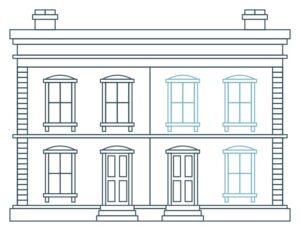
Real experience with heritage-sensitive and planning-constrained projects
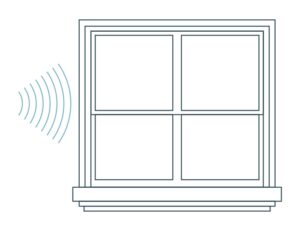
Acoustics-led advice shaped around the building, the noise issue and the consent context
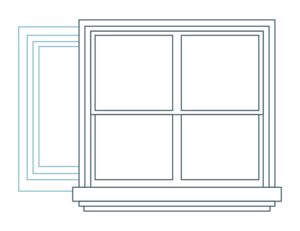
Clear judgment on when high-performance secondary glazing is the more appropriate route
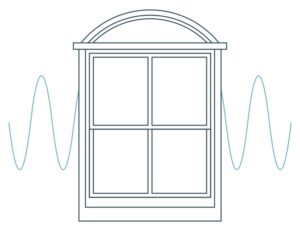
Bespoke timber solutions designed with heritage character in mind
Planning support from early consultation through to acting as the client’s agent where needed
What we assess before recommending a solution
We begin by understanding the unique architectural and acoustic context of your property:
Originality and condition
Are the windows original, or have they been previously altered?
Heritage significance
Which elements contribute most to the building’s historic interest?
Acoustic requirements
What is the nature and frequency of the noise source (road, rail, or aircraft)?
Internal constraints
We carefully survey shutters, panelling, architraves, and reveal depths.
Practical usage
How do you ventilate the rooms, and how do you use the space day-to-day?
Consent implications
We identify the likely route for obtaining consent based on the proposed interventions.
Why secondary glazing is often considered first
Secondary glazing is often our primary recommendation for listed buildings because it allows the original external windows to remain untouched.
Retain original windows
The street-facing appearance of your property remains completely unchanged.
Internal system
A separate, discreet acoustic system is installed on the room side. This creates a powerful acoustic buffer without altering the external elevation.
Specialist integration
Our systems are designed to work alongside existing shutters, panelling, and delicate architraves.
Consent
Because the external fabric is preserved, this route is often viewed more favourably by conservation officers, though consent still depends on the specific building and the method of fixing.
When acoustic replacement windows may be appropriate
In some cases, carefully matched replacement timber windows are the right solution. We consider this route only when:
The existing windows are not original to the building.
The windows have been unsympathetically replaced in the past.
The joinery is beyond reasonable repair or decay is systemic.
The current windows make little contribution to the building’s special interest.
A high-quality, matched replacement would improve the architectural character of the building.
Protecting sightlines, mouldings, and historic details
Whether using secondary glazing or replacement timber, our priority is the preservation of historic detail.
We pay close attention to frame mouldings, sightlines, glazing bar layouts, and finished paint colours. Our goal is to ensure any intervention is as invisible as possible from the street, meeting the high standards expected by conservation officers while delivering the acoustic performance you require.
Acoustic performance in older buildings
Older buildings often have unique acoustic challenges, including imperfections in airtightness and varied wall construction. We look at the total system:
- Glass and seals: Using the right thickness and type of specialist acoustic glass.
- Cavity design: Optimising the gap between the window and the secondary unit.
- Frame junctions: Ensuring seals at the perimeter are tight to stop sound leakage.
- Ventilation: Balancing acoustic performance with the need for fresh air.
- Flanking paths: Checking for sound bypasses through walls, roofs, or chimneys.
Listed building consent support
For a full breakdown of how we manage planning applications and the specific documents we prepare, please visit our Planning Permission for Acoustic Windows page.
Case study: Balancing heritage and acoustic performance
Case study: Balancing heritage and acoustic performance
Bow Quarter, E3
Project context:A Victorian industrial conversion requiring significant noise reduction from surrounding urban traffic and city density.
Constraint: The building’s original factory-style windows were a defining feature of the site and its industrial heritage; they were subject to strict conservation and management requirements and could not be removed or visually altered.
Acoustic route: We designed and installed high-performance, bespoke secondary glazing. This approach preserved the industrial aesthetic and sightlines from the exterior, while creating a high-performance acoustic seal behind the original frames, utilizing acoustic laminate glass to target urban traffic noise.
Outcome: The project successfully aligned strict conservation standards with the resident’s need for a quiet living space. Internal noise levels were significantly reduced, the industrial character remained fully protected, and all conservation and building management requirements were met.
Book a Consultation About Your Listed Building Project
If you are exploring acoustic improvements in a listed building, the best place to begin is with a considered conversation about the building, the likely constraints and the most suitable route.
We can help you understand what may be possible, where secondary glazing is likely to be the stronger option, whether replacement is realistic, and how planning support can fit into the process from the start.

10 YEAR INSURANCE BACKED GUARANTEE
All of our products come with up to a 10 Year Insurance Backed Guarantee provided by the Consumer Protection Association. So you can rest assured that your home is in safe hands.

We have been Trading Standards Approved and are proud to be enrolled on the Buy With Confidence Scheme, ensuring customers just like you have their interests protected.

TRUSTMARK REGISTERED FOR QUALITY
Consumers can feel confident using a TrustMark registered business, as the government-endorsed scheme ensures high quality service and a range of consumer protection options.

AWARD-WINNING PRODUCTS & INSTALLATION
Following awards in 2020, and 2021, The Soundproof Windows was announced as the ‘Best Acoustic Window & Door Installation Company – London’ at the SME News Awards 2022.