HOW TO SOUNDPROOF WINDOWS - AND CHOOSE THE RIGHT ACOUSTIC SYSTEM
Soundproof windows are designed to reduce intrusive external noise, not create complete silence. The result depends on the complete window system – glazing, frame, seals, opening method, ventilation and installation – and on the noise affecting the property.
This guide explains what actually determines acoustic performance, how to interpret ratings such as Rw, how replacement windows compare with secondary glazing, and what to check before choosing a system.
In this guide:
HOW TO SOUNDPROOF WINDOWS: MAIN OPTIONS
HOW DO SOUNDPROOF WINDOWS WORK?
WHAT DETERMINES ACOUSTIC PERFORMANCE?
WHAT DO RW AND DB RATINGS MEAN?
WHAT WINDOW SYSTEMS ARE AVAILABLE?
HOW EFFECTIVE ARE THE DIFFERENT METHODS?
HOW TO SOUNDPROOF WITHOUT REPLACING
SECONDARY OR REPLACEMENT WINDOWS?
IS TRIPLE GLAZING ALWAYS BETTER?
DOES THE NOISE SOURCE CHANGE THE SPECIFICATION?
WHEN MIGHT WINDOWS NOT SOLVE THE WHOLE PROBLEM?
HOW SHOULD ACOUSTIC EVIDENCE BE COMPARED?
WHAT HAVE WE MEASURED IN REAL HOMES?
HOW DO WE DECIDE WHAT TO RECOMMEND?
HOW MUCH SOUNDPROOF WINDOWS COST?
Technically reviewed by Sebastian Paszek, Senior Acoustician and Chief Operating Officer at The Soundproof Windows – Professional profile.
Last technical review: 3 October 2026.
HOW TO SOUNDPROOF WINDOWS: THE MAIN OPTIONS
If you are trying to soundproof windows from outside noise, first identify what is actually limiting the opening. The main routes are to reduce air leakage, add a properly designed secondary barrier, replace the complete window with an acoustic system, or address another part of the façade if the window is no longer the dominant weakness.
1. REPAIR AIR LEAKAGE
Repairing obvious gaps, worn seals or poor closing can help where air leakage is an important weakness. It does not turn an old window into a complete acoustic window or correct weak glass, frame distortion, ventilation paths or flanking transmission.
2. ADD SECONDARY GLAZING
A separate internal window can retain the original external window while creating a second acoustic barrier. Performance depends on the primary window, glass, cavity, seals, opening arrangement and installation — not simply on adding another transparent sheet.
3. REPLACE THE COMPLETE WINDOW
A purpose-designed acoustic window allows the glazing, frame, compression seals, locking hardware and installation to be considered as one system. This is different from improving one component of an older window in isolation.
4. CHECK THE REST OF THE FAÇADE
Once the window improves, vents, reveals, walls, roofs, doors or other junctions may become the dominant path. The best result comes from diagnosing the room rather than simply buying the highest-rated glass.
WHICH OPTION IS MOST EFFECTIVE IN AN URBAN HOME?
There is no single best intervention for every urban home. A draughty sash beside a residential street may benefit noticeably from repair and sealing, while a bedroom exposed to buses, sirens, aircraft or rail noise may need a substantially stronger complete window or secondary system.
The useful question is: what is the dominant acoustic weakness now, and what will become the next weakest path after it is improved?
HOW DO SOUNDPROOF WINDOWS WORK?
A soundproof window reduces airborne sound transmission by making the whole opening more resistant to sound. The glazing matters, but so do the frame, seals, hardware, closing pressure, perimeter installation and any ventilation path.
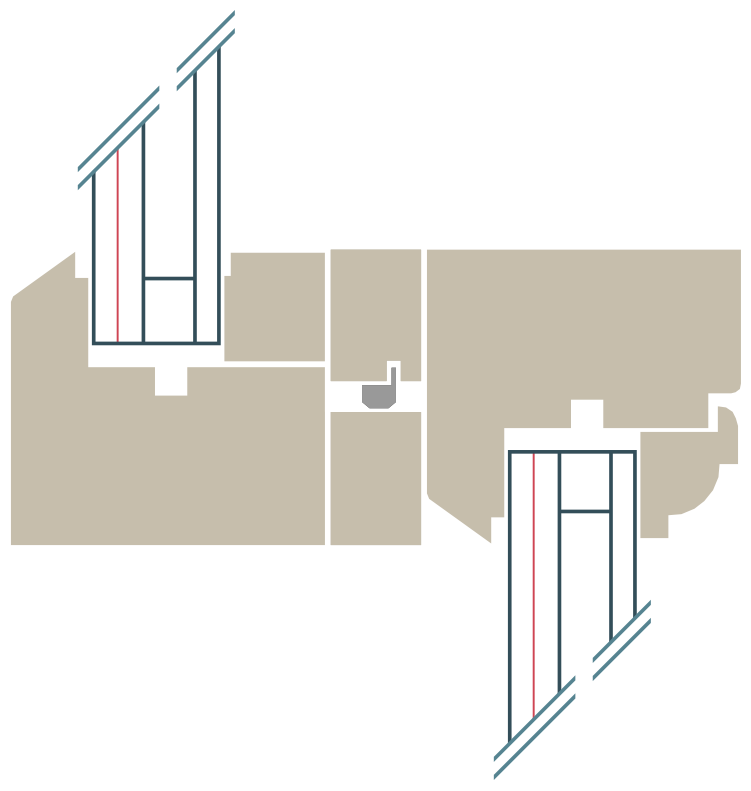
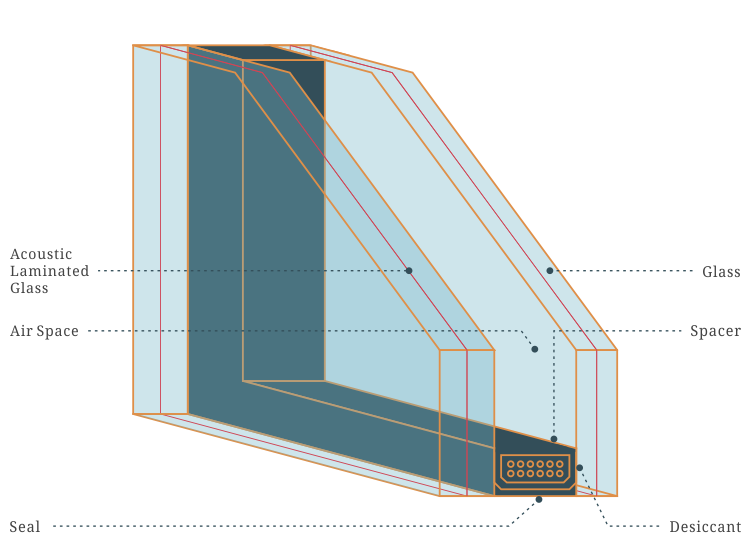
Sound reaches a room through more than one mechanism. A pane of acoustic glass can reflect and absorb part of the incident sound energy, while laminated constructions and carefully selected pane thicknesses can improve performance across particular frequency ranges. A strong glazing specification can still be undermined by an air leak around the sash or frame, an acoustically weak ventilator, or a poorly sealed installation.
That is why the useful question is not simply “How many decibels is the glass?” It is “What has been tested, what is being installed, and what other paths remain in this building?”
DO SOUNDPROOF WINDOWS ACTUALLY WORK?
Yes, soundproof windows can work very effectively when the window is an important route for external airborne noise, but “soundproof” does not mean silent.
The result depends on the complete system — glazing, frame, seals, opening arrangement, installation and ventilation — as well as the noise spectrum and other paths through the building.
A well-specified acoustic window can make a substantial practical difference in rooms affected by traffic, aircraft, rail or street noise.
However, the outcome in a particular property cannot be predicted reliably from a glass rating alone. If sound is also entering through walls, vents, roofs, reveals, doors or other flanking paths, those routes can limit the overall improvement.
WHAT ACTUALLY DETERMINES ACOUSTIC WINDOW PERFORMANCE?
Acoustic performance is a system property. Four parts of the window deserve particular attention, with ventilation treated as part of the same façade design rather than an afterthought.
GLAZING
Glass mass, pane thickness, asymmetry, laminated acoustic interlayers and the way panes are combined all affect sound insulation. More panes are not automatically better.
FRAME & SASH
The frame has to support the glazing, maintain the designed geometry and provide a suitable interface for seals and hardware. Frame material alone does not establish the acoustic rating of a complete window.
SEALS & CLOSING PRESSURE
Sound uses air paths. Continuous compression gaskets only work where the sash is being pulled consistently onto them. Multi-point locking can apply closing force at several positions around the aperture, helping maintain more even perimeter compression than a single central catch.
INSTALLATION
The junction between frame and building is part of the acoustic path. Perimeter sealing, reveals, trims and surrounding construction can affect the final result even when the window itself is well specified.
VENTILATION MATTERS TOO
A high-performing closed window cannot deliver its intended benefit if the room then relies on an acoustically weak open vent or an open sash for fresh air. Where ventilation is required, its airflow and acoustic performance should be considered alongside the window specification.
WHY IS PROFESSIONAL COMPRESSION SEALING DIFFERENT FROM DIY WEATHERSTRIPPING?
Repairing or adding a strip seal to an existing window can reduce obvious air leakage, but that is not the same as an acoustic window designed around continuous compression seals and controlled closing pressure.
Older windows commonly develop some degree of distortion, settlement, wear or uneven closing. Where a sash relies on a single central catch, the force is concentrated around one point. If the sash or frame is no longer perfectly even, one section can close tightly while another section has weaker seal contact or a local air gap.
A purpose-designed acoustic window can combine continuous compression gaskets with a multi-point locking system. Several locking points draw the sash into the frame around the opening, helping to create more consistent perimeter compression. The acoustic benefit still belongs to the complete tested window — glazing, frame, seals, hardware and installation — rather than to the gasket or lock in isolation.
OUR FIELD OBSERVATION FROM 1,000+ REPLACEMENT PROJECTS
Across more than 1,000 projects, our practical observation is that around 90% of the older windows we replaced showed some degree of distortion, uneven geometry or uneven closing around the sash. This is an approximate field observation from windows we were asked to replace, not a controlled statistical study and not a claim about 90% of all UK windows.
The practical lesson is that a seal only works acoustically where it is being compressed. Replacing worn weatherstripping can help a draughty window, but it cannot by itself correct uneven geometry or create uniform closing pressure around the aperture.
WHAT DO RW AND DB RATINGS ACTUALLY MEAN?
Rw is a single-number laboratory rating for airborne sound insulation. It is useful for comparing tested building elements, but it is not a promise that a room will become quieter by the same number of decibels.
The key question is always what specimen was tested. A figure may describe a pane of glass, an insulating glass unit, a complete window, or a combined primary-and-secondary arrangement. Those results are not interchangeable.
ISO 10140-2 covers laboratory measurement of airborne sound insulation for building elements including glazing and windows. The standard is explicit that laboratory results are not directly applicable to a field situation without accounting for factors such as flanking transmission and boundary conditions.
C and Ctr are spectrum adaptation terms used with Rw to reflect different types of sound spectra. Ctr is particularly relevant when lower-frequency-heavy sources such as urban road traffic are important. A single headline Rw value can therefore hide useful frequency information.
For a real home, we distinguish between a laboratory product rating, the installed façade, the internal room level and any measured before-and-after change. Those are related measurements, but they are not the same thing.
| Term | What it tells you | What it does not tell you |
|---|---|---|
| dB | A logarithmic unit used to express sound levels and differences. | On its own, it does not identify the metric, frequency range or test condition. |
| Rw | A single-number rating of airborne sound insulation derived from frequency-band measurements. | It does not equal the guaranteed reduction inside a particular bedroom or living room. |
| C / Ctr | Spectrum adaptation terms that help relate Rw to different source spectra. | They do not remove the need to understand the actual source and building. |
| LAeq | An A-weighted equivalent continuous sound level over a stated period. | It can smooth out individual loud events. |
| LAFmax | The maximum A-weighted fast sound level during a stated measurement. | It does not describe the whole duration or spectrum of the noise. |
HOW MUCH NOISE REDUCTION CAN SOUNDPROOF WINDOWS ACHIEVE?
There is no single dB reduction that applies to every soundproof window or property. Laboratory ratings such as Rw describe the tested product or assembly under controlled conditions; the reduction measured inside a real room also depends on the existing façade, installation, ventilation, flanking paths and the frequency content of the noise.
The most useful way to judge likely performance is to separate three questions: what has been laboratory tested, what will actually be installed, and what other sound paths exist in the room?
Where the difference between specifications matters, site measurements and frequency information can help establish whether increasing the window performance is likely to produce a worthwhile improvement.
WHAT TYPES OF ACOUSTIC WINDOW SYSTEM ARE AVAILABLE?
The right route depends on the existing window, the architecture, the available space, the noise source and how the room needs to function. A higher headline rating is not automatically the better project decision.
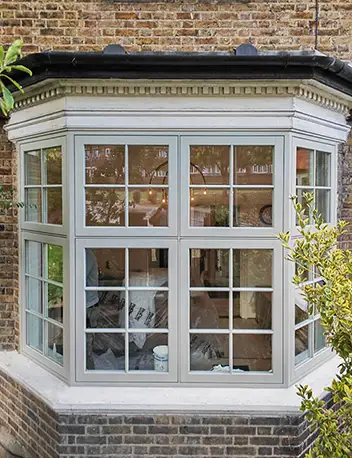
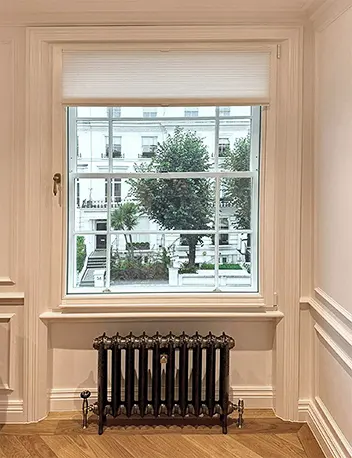
WHAT ARE THE BEST SOUNDPROOF WINDOWS FOR A HOME?
There is no single “best” soundproof window for every home. The best system is the one that addresses the dominant noise path while fitting the building, window opening, ventilation requirements, planning constraints and budget.
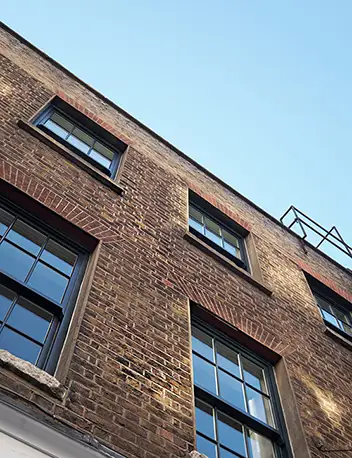
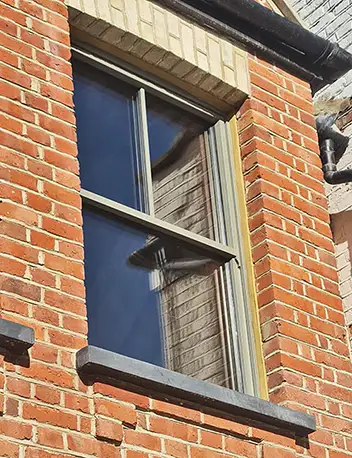
For one property that may mean a replacement acoustic sash window. For another, retaining the original window and adding a well-designed secondary system can be more appropriate. A high-performance casement or mock-sash arrangement may be better where stronger compression sealing is useful.
The decision should therefore be based on the complete tested system and the property rather than on frame material, pane count or the highest headline Rw figure alone.
HOW EFFECTIVE ARE DIFFERENT WINDOW SOUNDPROOFING METHODS IN AN URBAN HOME?
Urban noise may combine continuous road traffic with buses, HGVs, sirens, aircraft, rail movements, voices and nightlife. The methods below do not all solve the same acoustic problem: some mainly reduce leakage, some mainly reduce reverberation inside the room, while professional glazing systems improve the sound insulation of the opening itself.
| Method | What it can change | Realistic urban usefulness | Main limitation |
|---|---|---|---|
| Caulk / gap repair | Reduces obvious perimeter leakage where cracks or gaps exist. | Useful first step on a visibly leaky installation. | Does not correct weak glazing, distorted sashes, ventilation or flanking paths. |
| Weatherstripping / replacement seals | Can improve contact around an opening sash. | Useful where existing seals are worn or missing. | Existing frame geometry and closing hardware determine whether the seal is compressed evenly. |
| Heavy curtains / blankets | Mainly add absorption inside the room and can reduce reverberation. | May make a reflective room feel less acoustically lively. | Should not be treated as equivalent to improving the airborne sound insulation of the window opening. |
| Thin window film | Adds a very small additional layer to the existing glass. | May have useful solar, privacy or safety functions. | Major acoustic claims should be supported by appropriate test evidence; thin film does not correct frame leakage or weak seals. |
| Acrylic / magnetic inserts | Create an additional internal layer. | Can help in some installations if sufficiently massive and well sealed. | Performance varies with material mass, perimeter sealing, cavity and the original window; generic claims are not transferable between products. |
| DIY window plug | Creates a dense removable barrier over the opening while fitted. | Can be useful where loss of daylight and normal window use are acceptable. | Blocks the window, can affect ventilation and does not address other façade paths. |
| Changing glass only | Can improve the glazing element if the new build-up is appropriate. | Potentially useful where the existing frame, seals and hardware are already suitable. | A stronger pane cannot correct a leaking sash, poor perimeter installation or frame/hardware limitations. |
| Professional secondary glazing | Adds a separate, sealed internal window and a second acoustic barrier. | High potential where the existing window can be retained and the reveal permits a suitable system. | Performance depends on primary window condition, cavity, glass, seals, opening arrangement and installation. |
| Purpose-designed replacement acoustic window | Improves the complete opening through glazing, frame, compression seals, locking hardware and installation. | High potential where the existing complete window is the dominant weak point. | The room can still be limited by vents, walls, roofs, reveals, doors or other flanking paths. |
DOES ACOUSTIC CAULK OR WEATHERSTRIPPING SOUNDPROOF AN OLD WINDOW?
It can improve a window where air leakage is an important weakness, but sealing alone does not make an old window equivalent to a professional acoustic system. Repairing gaps can be worthwhile, particularly on draughty historic windows, but the result is limited by the existing glass, frame geometry, hardware, ventilation and surrounding construction.
DO HEAVY CURTAINS OR BLANKETS BLOCK TRAFFIC NOISE?
Heavy curtains can reduce reverberation inside the room, but they should not be treated as a substitute for an airtight acoustic window or secondary glazing. Their main acoustic effect is absorption within the room. They may change how lively or echoic the room feels without delivering the same improvement to the external façade.
DOES SOUNDPROOF WINDOW FILM WORK?
Thin film should not be assumed to provide the same airborne sound insulation as acoustic laminated glass or a separate secondary window. If a product claims a substantial noise reduction, ask what was tested, which metric was reported and whether the result applies to the complete installed window rather than to a material sample.
DO ACRYLIC OR MAGNETIC WINDOW INSERTS WORK?
They can help, but “window insert” describes a product category rather than a guaranteed acoustic performance. Mass, airtight perimeter sealing, separation from the original glass, frame stiffness and installation all matter. A lightweight insert with local gaps should not be assumed to perform like a tested timber secondary glazing system.
DOES A WIDER AIR GAP ALWAYS MAKE SECONDARY GLAZING BETTER?
A larger separation can be beneficial in secondary glazing, but cavity depth is not a standalone performance guarantee. The primary and secondary panes, airtightness, frame design, cavity, surrounding reveal and the noise spectrum all influence the result. A laboratory result from a deep test cavity should not automatically be assumed to describe a shallow domestic reveal.
WHEN DOES SEALING STOP BEING ENOUGH?
Every intervention has a ceiling. Once obvious air leakage has been corrected, the dominant path may become the glass, the window construction, a vent, a reveal, the wall or another element of the façade. Repeatedly adding more sealant cannot continue improving the room once something else is controlling the sound transmission.
HOW TO SOUNDPROOF WINDOWS WITHOUT REPLACING THEM
Existing windows can sometimes be improved without replacement, but the right method depends on why they are acoustically weak.
If the main problem is leakage, repair and draught-proofing may help. If the original window needs to remain, a properly designed secondary glazing system can create a much stronger second barrier. If the frame, sash or hardware is badly distorted, however, adding a new strip seal may have limited effect because the seal cannot maintain consistent contact around the perimeter.
For severe urban noise, the useful comparison is not “DIY or professional” in the abstract. It is whether the proposed intervention addresses the dominant path and has credible evidence for the complete installed configuration.
For detailed DIY and low-cost treatments, see the broader educational guide to reducing noise through existing windows. This TSPW guide focuses on deciding when repair is proportionate and when secondary or replacement acoustic windows are the stronger route.
SECONDARY GLAZING OR REPLACEMENT ACOUSTIC WINDOWS?
Neither option is universally better. Secondary glazing is often attractive when the original window should remain; replacement may be more appropriate when the existing window is defective, unsuitable or being changed as part of a wider renovation.
| Decision factor | Secondary glazing | Replacement acoustic window |
|---|---|---|
| Existing external window | Retained. | Replaced. |
| External appearance | Usually unchanged because the new unit is internal. | New window design must be considered carefully, especially on period façades. |
| Available internal space | Reveal depth, shutters, radiators, blinds and sill use can constrain the design. | Usually avoids adding a second internal frame. |
| Acoustic design | Performance depends on both windows, the glass-to-glass cavity, sealing and installation. | Performance depends on the complete replacement window, glazing, seals and installation. |
| Access and cleaning | The secondary unit must allow practical access to the original window. | Conventional access for the new window type. |
| Heritage context | Can be useful where retaining the original external window is important. | May require particularly careful replication of sightlines, materials and details. |
| Ventilation | Needs to be coordinated across both window layers. | Needs to be coordinated with the new façade/ventilation strategy. |
The comparison becomes more useful after the existing window and room are assessed. A deep cavity behind a reasonably airtight primary window presents a different opportunity from a shallow reveal behind a badly distorted sash. The design has to respond to the actual opening.
IS TRIPLE GLAZING ALWAYS BETTER FOR NOISE?
No. Triple glazing is not automatically better for sound insulation than a carefully specified double-glazed or laminated acoustic build-up.
Acoustic performance depends on the whole glass configuration: pane thickness, mass, asymmetry, acoustic laminate, cavity and the interaction between panes. Similar panes can share resonant behaviour, while different thicknesses can help shift weaknesses to different frequencies.
This is why we do not choose glazing by counting panes. We look at the tested acoustic data for the proposed build-up, the noise spectrum and what the frame can safely accommodate.
Acoustic laminated glass uses a specialist interlayer within a laminated pane. The interlayer can improve sound insulation, but there is no universal rule such as “PVB adds 10 dB”. The result belongs to the tested glass make-up, not to the interlayer in isolation.
DOES THE NOISE SOURCE CHANGE THE WINDOW SPECIFICATION?
Yes. Two properties can record similar overall noise levels while needing different acoustic strategies because the frequency content, timing and route of the noise are different.




That is why an overall external level on its own is not enough to select a window. We consider the source, the room, the frequency content and whether the disturbing part of the noise is continuous or dominated by individual events.
WHEN MIGHT BETTER WINDOWS NOT SOLVE THE WHOLE PROBLEM?
A stronger window can expose another weak path. If sound is also entering through vents, reveals, walls, roofs, doors or junctions, improving the glazing alone may produce diminishing returns.
Common paths worth considering include:
- trickle vents and other ventilation openings;
- gaps around frames and poorly sealed perimeter joints;
- lightweight or hollow window reveals;
- adjoining walls and façade elements;
- roofs and eaves in upper-floor or loft rooms;
- external doors;
- chimneys and service penetrations;
- floors, ceilings and other flanking paths;
- structure-borne vibration that is not primarily travelling through the air.
The practical consequence is important: the highest-rated window is not always the most sensible next specification. If another route is already dominant, additional window performance may bring little benefit inside the room.
A useful diagnostic question: “If the window were improved substantially, what would become the next weakest path?” That question helps avoid specifying a window in isolation from the building around it.
HOW SHOULD YOU COMPARE ACOUSTIC WINDOW EVIDENCE?
The number on a quotation is only useful when you know what produced it. Before comparing two acoustic window claims, make sure they describe comparable test specimens and conditions.
1. WHAT WAS TESTED?
Was the result for a pane of glass, an insulating glass unit, a complete operable window, or a primary-and-secondary combination? These are different products and should not be presented as though the numbers are interchangeable.
2. WHICH METRIC IS QUOTED?
Look for the metric and any spectrum terms, not simply “dB reduction”. Rw, Rw + C and Rw + Ctr tell different parts of the story.
3. LABORATORY OR SITE?
Laboratory tests deliberately suppress many flanking paths so products can be compared. A measured change in an occupied building answers a different question and needs its own context.
4. WHAT WERE THE TEST CONDITIONS?
For secondary systems, cavity depth and the primary window can materially affect a combined result. For any system, dimensions, opening arrangement and specimen construction matter.
5. WHAT ABOUT VENTILATION?
A strong closed-window figure does not describe an open window or an acoustically weak vent. The way the room receives fresh air belongs in the comparison.
6. IS THE CLAIM A ROOM PROMISE?
Be cautious if an Rw figure is presented as a guaranteed reduction inside your home. A product test is evidence about the tested specimen, not a complete prediction of a particular room.
Our preference is simple: compare like with like, ask for the underlying test context where the number materially affects your decision, and keep laboratory evidence separate from measured site outcomes.
WHAT HAVE WE MEASURED IN REAL HOMES?
Laboratory ratings tell us how a tested specimen performed under controlled conditions. Measured projects answer a different question: what changed inside a particular room after a particular installation?
Acoustic performance depends on the whole glass configuration: pane thickness, mass, asymmetry, acoustic laminate, cavity and the interaction between panes. Similar panes can share resonant behaviour, while different thicknesses can help shift weaknesses to different frequencies.
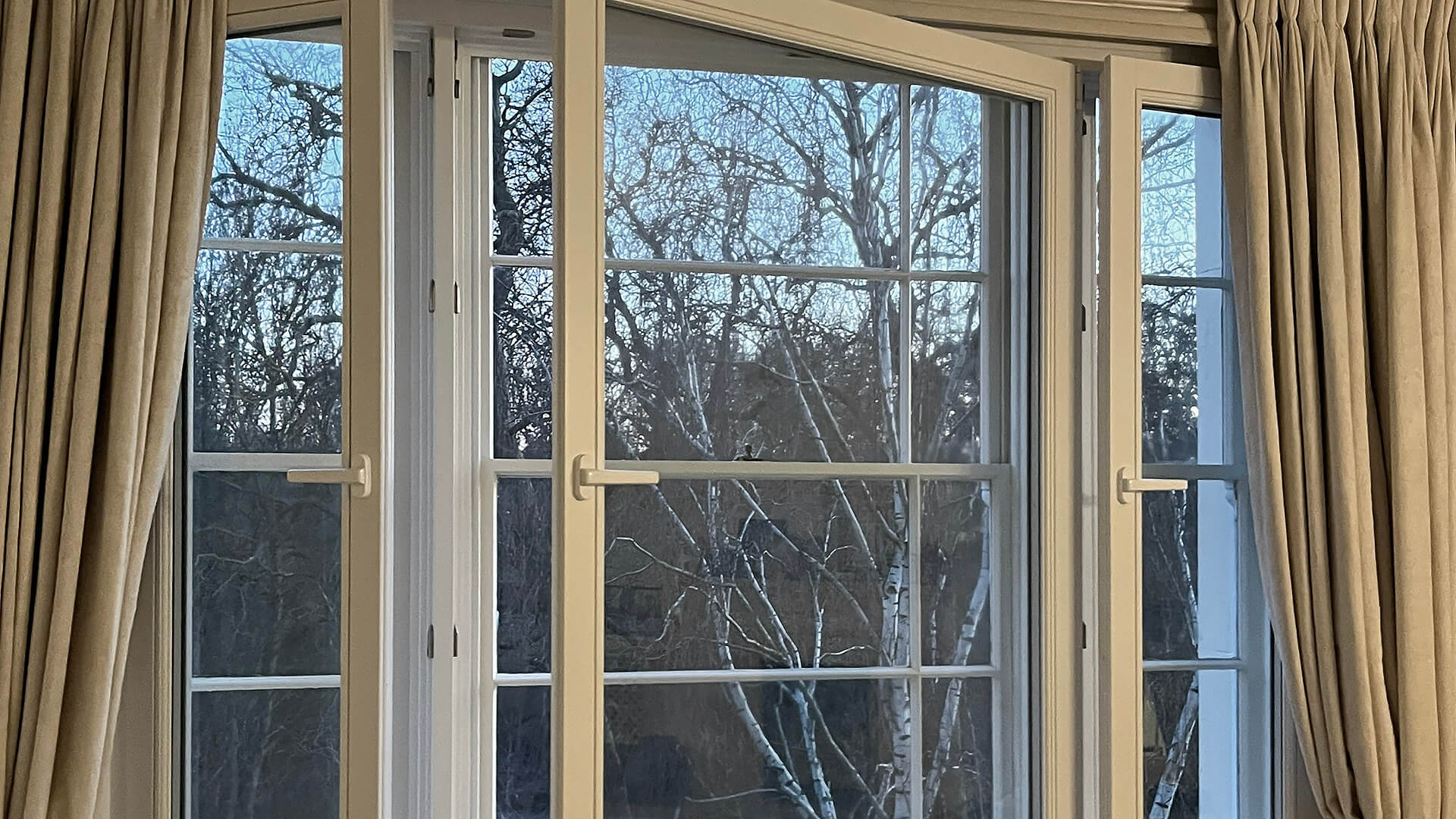
Prince Albert Road - Secondary Glazing in a 56mm Cavity
Property: Victorian house near Regent’s Park, retaining the original timber sash windows.
Constraint: approximately 56 mm glass-to-glass cavity.
Installed system: bespoke inward-opening timber secondary windows using acoustic laminated glazing laboratory-rated at Rw 49dB, continuous compression seals and multi-point locking.
Measured inside the bedroom:
- LAeq reduced from approximately 40.8dB(A) to below 28.5dB(A);
- measured LAeq improvement of at least approximately 12dB;
- maximum recorded level reduced from 52.9dB to 32.4dB;
- measured LAFmax improvement of approximately 20.5dB.
Method: before-and-after measurements using a calibrated NTi Audio XL2 analyser from the same microphone position.
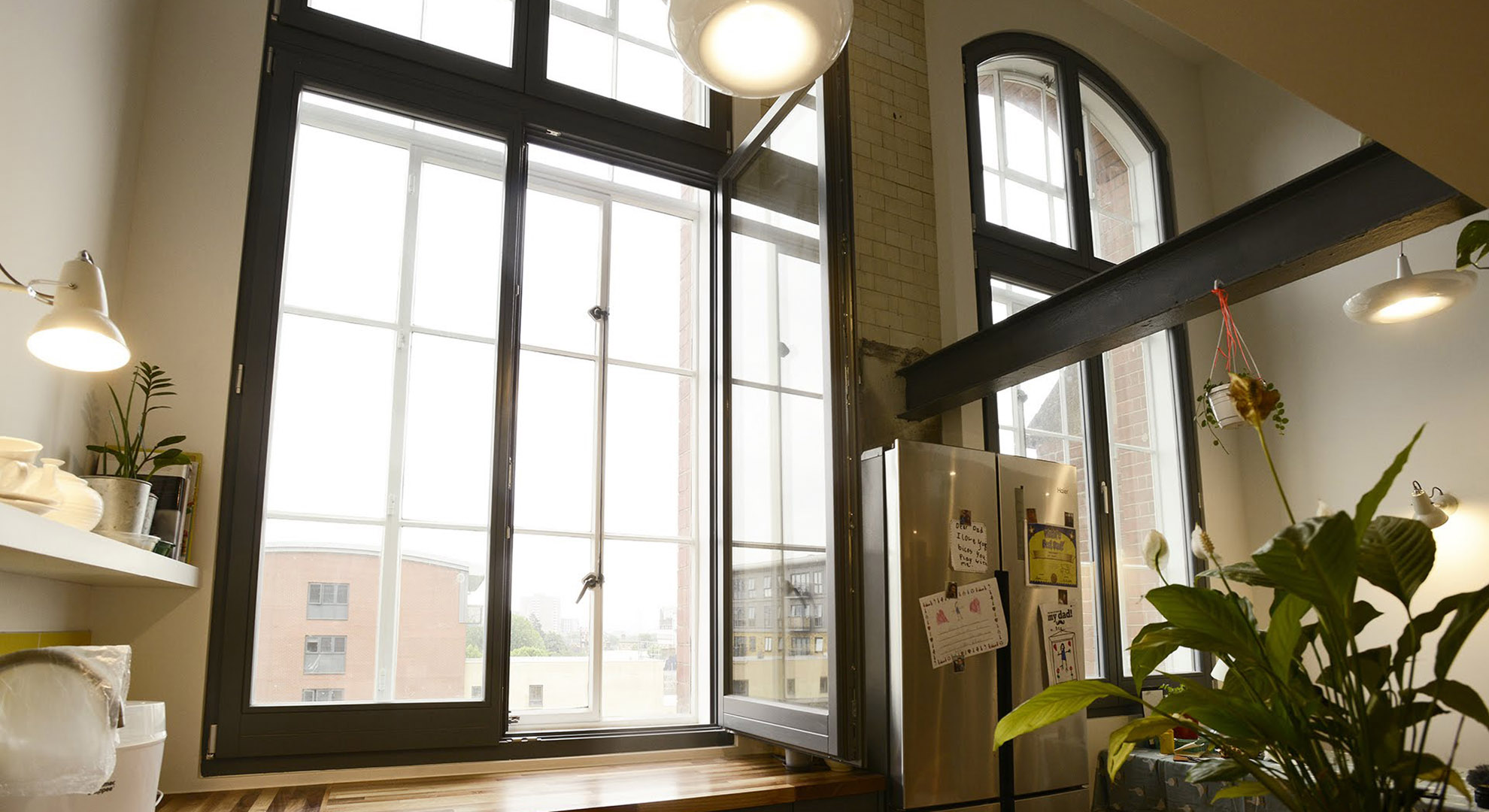
Bow Quarter - Secondary Glazing for Railway Noise in a Grade II Listed Building
Property: Grade II listed apartment retaining original single-glazed Crittall windows.
Constraint: approximately 95 mm glass-to-glass cavity, openings over four metres high and curved heads.
Installed system: inward-opening timber secondary windows with a 39 mm acoustic double-glazed unit rated Rw 49 (-2; -7)dB, continuous dual compression seals and multi-point locking.
Measured inside the bedroom:
- average sound level reduced from 49.2dB to 32.2dB;
- measured average improvement of 17.0dB;
- maximum recorded level reduced from 67.0dB to 42.9dB;
- measured maximum-event improvement of 24.1dB.
Method: comparative in-situ measurements using an NTi Audio XL2, field-calibrated before each measurement period. Each period lasted approximately 15 minutes and captured around 20–25 representative train pass-bys.
These are comparative site measurements, not laboratory tests. They show what changed in those particular rooms under the recorded conditions. They do not convert the glazing Rw figure into a guaranteed room reduction and should not be used to predict an identical result elsewhere.
HOW DO WE DECIDE WHAT TO RECOMMEND?
We start with the noise and the building, not with the highest acoustic rating in the product list.
For a straightforward enquiry, photographs, approximate measurements, the property context and a description of the noise may be enough to narrow the sensible options and prepare an initial estimate.
Where the project justifies an on-site acoustic assessment, we can use measurements including LAeq, LAFmax and frequency information to understand both the overall exposure and the character of the disturbing events. We then consider:
- the dominant noise source and when it is intrusive;
- the existing window and its condition;
- the available reveal/cavity and architectural constraints;
- other likely sound paths;
- ventilation requirements;
- planning, listed-building or conservation constraints where relevant;
- the performance level that is proportionate to the problem and budget.
That process can also lead to a lower specification, a secondary system instead of replacement, or a recommendation to investigate another part of the building first.
WHAT TO SEND FOR AN INITIAL ESTIMATE
- 2–3 photographs of each window type
- approximate brick-to-brick dimensions
- postcode/property context
- main noise source
- rooms most affected
- listed/conservation status if known
HOW MUCH DO SOUNDPROOF WINDOWS COST?
There is no single useful “price per soundproof window”. Cost changes with size, window type, glazing specification, opening arrangement, timber detailing, finish, access and installation requirements.
We therefore keep detailed starting-price examples on a dedicated pricing page rather than duplicating figures in this guide. That gives one place to maintain current commercial pricing as products and specifications change.
When comparing quotations, look beyond the headline price and establish whether the products are genuinely comparable: window type, test evidence, glazing build-up, installation scope, finishing, planning support and guarantees can all change what is actually being offered.
WHAT ABOUT LISTED BUILDINGS, CONSERVATION AREAS AND ARTICLE 4 DIRECTIONS?
Planning and heritage constraints are property-specific. Being in a conservation area does not automatically mean that an Article 4 direction applies, and houses, flats, listed buildings and internal secondary glazing can fall under different controls.
For many houses, repairs and replacement windows of similar appearance may not require planning permission, while flats and maisonettes have different permitted-development rules. An Article 4 direction can remove rights that would otherwise exist. Listed buildings require particular care because changes affecting special architectural or historic interest may need listed building consent.
For acoustic projects, this often changes the choice between retaining the original window and adding secondary glazing, replicating a timber sash, or proposing another replacement design.
This is general guidance only. The relevant local planning authority, conservation officer, freeholder or managing agent may need to confirm the position for the individual property.
HERITAGE DECISION POINTS
- Is the building listed?
- Is it a house, flat or maisonette?
- Is there an Article 4 direction?
- Will the external appearance change?
- Must original fabric be retained?
- Would internal secondary glazing be less intrusive?
SOUNDPROOF WINDOWS: BUYER QUESTIONS
DO SOUNDPROOF WINDOWS ACTUALLY WORK?
Yes, when the window is an important route for external airborne noise and the whole system is correctly specified and installed. The result depends on glazing, frame, seals, ventilation, installation and other sound paths through the building; “soundproof” should not be read as a promise of complete silence.
ARE SOUNDPROOF WINDOWS COMPLETELY SOUNDPROOF?
No. “Soundproof window” is a recognised product/search term, but no ordinary domestic window should be sold as creating complete silence. The aim is meaningful reduction of intrusive noise within the limits of the window, installation and surrounding building.
DOES RW 49DB MEAN MY ROOM WILL BECOME 49DB QUIETER?
No. Rw is a laboratory rating of the tested specimen. The change inside a room depends on the complete façade, installation, noise spectrum, geometry and other transmission paths.
IS ACOUSTIC GLASS THE SAME AS AN ACOUSTIC WINDOW?
No. Acoustic glass is one component. A complete acoustic window also includes the frame, sash, seals, hardware and installation. A strong glass rating cannot compensate for a significant air leak around the frame.
DO TIMBER FRAMES AUTOMATICALLY OUTPERFORM UPVC FOR NOISE?
No. Material alone is not enough to establish acoustic performance. Profile construction, glass capacity, seals, hardware, opening arrangement, dimensions, installation and tested evidence all matter. We use timber because it also allows us to address bespoke architectural and heritage requirements.
WHY CAN NEW WEATHERSTRIPPING STILL LEAVE AN OLD WINDOW NOISY?
Because a seal only works where the sash closes onto it properly. Distortion, wear or a single central catch can leave uneven compression around the perimeter, so a new strip seal can improve one weakness without making the opening uniformly airtight.
DOES MULTI-POINT LOCKING HELP WITH ACOUSTIC PERFORMANCE?
No. Material alone is not enough to establish acoustic performance. Profile construction, glass capacity, seals, hardware, opening arrangement, dimensions, installation and tested evidence all matter. We use timber because it also allows us to address bespoke architectural and heritage requirements.
CAN I JUST CHANGE THE GLASS IN MY EXISTING WINDOWS?
Sometimes, but it depends on the frame, bead/rebate dimensions, glass weight, seals and condition of the existing window. Changing the pane does not automatically correct leakage or weaknesses in the frame and installation.
IS TRIPLE GLAZING BETTER THAN ACOUSTIC DOUBLE GLAZING?
Not automatically. A carefully designed laminated/asymmetric double-glazed unit can outperform a poorly configured triple-glazed unit for particular acoustic requirements. Compare tested build-ups rather than pane count.
CAN ACOUSTIC WINDOWS HELP WITH AIRCRAFT, TRAFFIC OR RAIL NOISE?
They can when the window is an important airborne transmission path. The appropriate specification varies with the source and frequency content, and rail complaints can also include structure-borne components that a window cannot address.
WHAT IF I STILL HEAR NOISE AFTER THE WINDOWS ARE IMPROVED?
Another path may have become dominant: vents, walls, reveals, doors, roofs or junctions can all contribute. This does not necessarily mean the window has failed; it means the room has to be considered as a system.
DO I NEED AN ACOUSTIC SURVEY BEFORE GETTING A PRICE?
Not always. Photographs, approximate measurements and a description of the noise are often enough for an initial estimate. A site assessment becomes more valuable where the noise is severe, unusual, low-frequency, multi-path or where the specification difference is commercially significant.
CAN SECONDARY GLAZING BE USED IN A LISTED BUILDING?
It is often considered because the original external window can remain, but listed-building consent and fixing details are property-specific. The proposal should be checked for the individual building rather than assumed to be permitted.
TECHNICAL SOURCES & FURTHER READING
This guide separates general acoustic principles, laboratory ratings, company process, field observation and project-specific judgement.
We use these evidence labels deliberately:
- Laboratory evidence – controlled product or element testing;
- Measured project – comparative measurements taken in a real property;
- TSPW field observation – recurring practical observations from our own projects, clearly labelled as observational rather than controlled research;
- Professional judgement – project-specific interpretation based on measurements, building details and experience;
- Planning guidance – current official or local-authority guidance, with property-specific decisions referred to the relevant authority.
Useful primary and technical references include:
- ISO 10140-2:2021 — laboratory measurement of airborne sound insulation of building elements.
- ISO 717-1:2020 — single-number ratings for airborne sound insulation.
- Pilkington — window and noise control.
- Pilkington — Rw, C and Ctr terminology.
- Planning Portal — windows and doors.
For broader diagnostic information about noise entering through windows and surrounding building elements, see The Soundproofing guide to reducing noise through windows.
NOT SURE WHICH ACOUSTIC WINDOW SYSTEM SUITS YOUR PROPERTY?
Send us photographs, approximate measurements and the main source of noise. We can usually narrow the sensible options and prepare an initial estimate before deciding whether an on-site acoustic assessment is worthwhile.
BEAUTIFUL, BESPOKE - AND SPECIFIED AROUND THE NOISE
Our timber windows, doors and secondary glazing are made to suit the individual opening rather than selected from a fixed standard size. That allows the acoustic specification, sightlines, opening style, colour and architectural details to be considered together.
For projects where you are still comparing options, our brochure provides an overview of the product range.
DOWNLOAD OUR BROCHURE

10 YEAR INSURANCE BACKED GUARANTEE
All of our products come with up to a 10 Year Insurance Backed Guarantee provided by the Consumer Protection Association. So you can rest assured that your home is in safe hands.

We have been Trading Standards Approved and are proud to be enrolled on the Buy With Confidence Scheme, ensuring customers just like you have their interests protected.

TRUSTMARK REGISTERED FOR QUALITY
Consumers can feel confident using a TrustMark registered business, as the government-endorsed scheme ensures high quality service and a range of consumer protection options.

AWARD-WINNING PRODUCTS & INSTALLATION
Following awards in 2020, and 2021, The Soundproof Windows was announced as the ‘Best Acoustic Window & Door Installation Company – London’ at the SME News Awards 2022.