Sleep, Noise Pollution and your Health
We all love the comfort of our own bed, and know the refreshing effects a good night of uninterrupted sleep can deliver. But do you know how damaging disrupted sleep cycles can be to your health? We’ll, we’ve got the answers here.
We’ve compiled the following guide to poor sleep hygiene and your health so that you can understand the impact noise pollution could be having on your wider life.
The latest research has found that those who are woken up during the night, or who don’t have a variation in their activity levels during the day, are more likely to suffer from mental health issues. On top of this, those who consistently have a poor night’s sleep are at greater risk of cardiovascular diseases.
A major contributor to this is noise pollution, which can keep people awake beyond their natural downtime, and wake them up during the night or before they’ve completed a proper sleep cycle. Let’s take a closer look at how…
Disrupted Sleep Cycles and Mental Health
Examining the activity levels of over 90,000 participants using accelerometers, and splitting participants into 5 groups based on the amplitude of their activity levels, a study from UK Biobank found that dropping down an activity level considerably increased the risk of major depressive disorders, lifetime bipolar disorders, greater mood instability and neuroticism, and lower levels of happiness and satisfaction.
Speaking to Business Insider Dr. Raymond Lam, a psychiatry researcher at the University of British Columbia said, “Regulating circadian rhythms is an important part of maintaining optimal mood and cognitive functioning.”
“That includes having a regular sleep schedule (sleeping and waking at about the same times), keeping active and exercising (which helps to regulate rhythms), avoiding late night light exposure (such as from mobile devices), and avoiding or addressing the circadian disruptions from shift work.”
Further speaking on the findings, Dr. Theodor Postolache, a psychiatry researcher at the University of Maryland School of Medicine, underlined that:
- Sleep should be as restful as possible
- Exercise should be as vigorous as possible
- Schedules should be aligned with daylight as much as possible
Going on to say, “Light, noise control, physical activity, environmental temperature, stress mitigation, relaxation, yoga and maintaining durations and schedules for sleep-wake cycles are all important when possible.”
Memory and Performance
When it comes to performance, it goes without saying that when you wake up without having felt properly rested you will feel like you’re not firing on all cylinders. This is because when you’re sleeping your body is reinforcing pathways in your brain, helping you remember the information that you’ve learnt throughout the day.
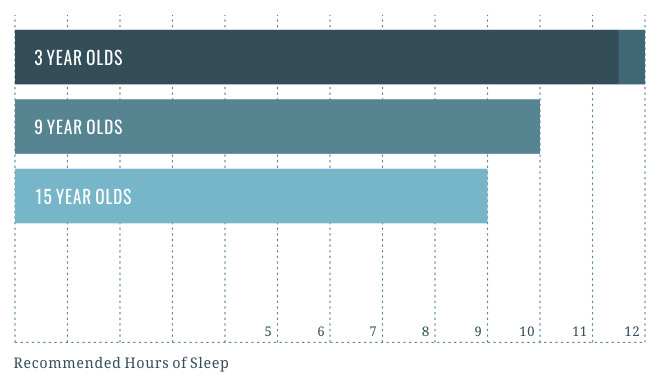
This is especially important in babies, children and adolescents for whom learning new things is of paramount importance, and who require more sleep on average than adults.
According to the NHS, 3 year olds should be getting 11.5-12 hours sleep a night, 9 year olds should get 10 hours sleep and 15 year olds should be getting 9 hours of sleep. Less than this and children face cognitive impairment, leading to underperformance in school.
Additionally, slower reaction times caused by delays in signals sent by your central nervous system also decrease your coordination skills, which in turn increases your risk of having an accident.
Poor Sleep and Physical Health
It’s not just mental health that can be impacted by poor sleep cycles, your physical body suffers too. When you’re out for the count your body is carrying out processes that it otherwise can’t handle when you’re active, and which prepare you for the full day ahead. For one, your body is reinforcing your immune system.
When you’re sleeping, your immune system produces infection fighting substances and cells such as cytokines to help protect you. Being deprived of sleep will mean that your body can’t properly build up its defences, will take longer to fight infections and will also put you at greater risk from developing and exacerbating chronic illnesses.
Sleep and Your Hormones
Sleep also aids in the control and production of two key hormones: leptin and ghrelin which are important to satiety. Having a disturbed sleep pattern will not only lead to feelings of laziness, but means that you are more likely to snack because lower levels of leptin cannot effectively brain that you’ve had enough to eat.
There is also evidence to suggest that poor sleep can lead your body to release more insulin after you do eat, which prompts your body to store fat and dramatically increases your risk of developing type 2 diabetes.
Testosterone & Growth Hormone
Testosterone is responsible for a wide range of functions in your body, including regulating your energy levels, your sex drive, your mood, and self-esteem. Lower levels of testosterone can lead to the thinning of both the hair and bones. Typically produced when you first enter REM sleep, which occurs after three hours of uninterrupted sleep, being woken up throughout will mean your testosterone production is impeded.
In fact, studies have found that sleeping only 4 hours a night, compared to 8 can more than half the testosterone levels present in your serum.
Production of growth hormone, which stimulates cell growth, reproduction, and regeneration, is also affected by poor sleep, which means you will find it harder to build muscle and repair damaged tissues. This is particularly important in children and young adults who require markedly more growth hormone.
Sleep and your Heart
Keeping your heart and blood vessels healthy is incredibly important to your overall well-being. Affecting your blood sugar levels, blood pressure and how your body deals with inflammation, poor sleep hygiene can contribute to the increased risk of heart attack and stroke.
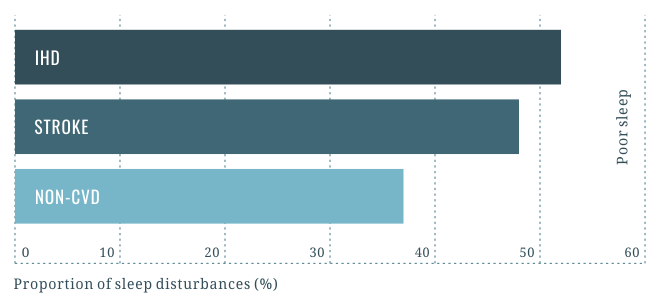
In an observational study of over 12,000 participants, it was revealed that shorter sleep and brief moments of waking up can increase the risk of ischaemic heart disease (whereby blood supply to tissue is restricted) by 50%.
Further studies have also found that excess heart age (EHA) is lowest amongst adults who reported sleeping an even seven hours every day. Importantly, those who slept either more or less than seven hours tended to demonstrate an EHA, with the effects more prevalent in those who slept less.
Sleep and Noise Pollution
Sensitivity to noise varies from person to person, with some unable to sleep due to the rumble of planes overhead and others blissfully unaware that they’re even there. However, when it comes to sleep, studies have found that noise sensitivity will vary during certain periods of sleep due to the production of specific brainwaves.
THE DEEP DIVE
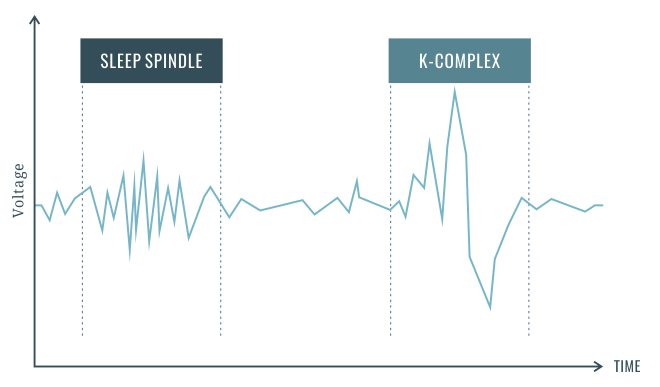
Waves called ‘sleep spindles’ can prevent the transmission of noise to the part of your brain that processes sound. These high intensity waves occur during Stage 2 sleep – which comprises around half of your full night’s sleep. However, your brain produces ‘K-complexes’ during the same period, and which activate auditory areas of your brain. Therefore your sensitivity to noise pollution during sleep will depend upon when the disturbance takes place, and what brain waves are being produced at the time.
Sleep, Noise Pollution and Decibel Levels
According to the World Health Organization, children, pregnant women, those with ill health and shift workers are considered ‘vulnerable groups’ when it comes to sleep and noise pollution, and are at greater risk of the health effects outlined above.
Whilst for most people noise pollution conjures up ideas of pulsing nightclubs and anti-social neighbours, the effects of noise on sleep start at surprisingly low levels.
Taken from the WHO’s night noise guidelines for Europe, the following table outlines the effects of noise pollution on sleep at certain decibel levels:
SUMMARY OF EFFECTS AND THRESHOLD LEVELS FOR EFFECTS WHERE SUFFICIENT EVIDENCE IS AVAILABLE
| Biological Effects | Indicator | Threshold, dB |
|---|---|---|
| Change in cardiovascular activity | * | * |
| EEG awakening | L Amax, inside | 35 |
| Motility, onset of motility | L Amax, inside | 32 |
| Changes in duration of various stages of sleep, in sleep structure and fragmentation of sleep | L Amax, inside | 35 |
| Sleep Quality Effects | Indicator | Threshold, dB |
|---|---|---|
| Waking up in the night and/or too early in the morning | L Amax, inside | 42 |
| Prolongation of the sleep inception period, difficulty getting to sleep | * | * |
| Sleep fragmentation, reduced sleeping time | * | * |
| Increased average motility when sleeping | L night, outside | 42 |
| Well-being Effects | Indicator | Threshold, dB |
|---|---|---|
| Self-reported sleep disturbance | L night, outside | 42 |
| Use of somnifacient drugs and sedatives | L night, outside | 40 |
| Medical Conditions Effects | Indicator | Threshold, dB |
|---|---|---|
| Environmental Insomnia | Lnight, outside | 42 |
Although the effect has been shown to occur or a plausible biological pathway could be constructed, indicators or threshold levels could not be determined. Note that “environmental insomnia” is the result of diagnosis by a medical professional whilst “self-reported sleep disturbance” is essentially the same, but reported in the context of a social survey. Number of questions and exact wording may differ.
SUMMARY OF EFFECTS AND THRESHOLD LEVELS FOR EFFECTS WHERE LIMITED EVIDENCE IS AVAILABLE
| Biological Effects | Indicator | Estimated Threshold, dB |
|---|---|---|
| Changes in (stress) hormone levels | * | * |
| Well-being Effects | Indicator | Estimated Threshold, dB |
|---|---|---|
| Drowsiness/tiredness during the day and evening | * | * |
| Increased daytime irritability | * | * |
| Impaired social contacts | * | * |
| Complaints | L night, outside | 35 |
| Impaired cognitive performance | * | * |
| Medical Conditions Effects | Indicator | Estimated Threshold, dB |
|---|---|---|
| Insomnia | L night, outside | 50 |
| Hypertension | * | * |
| Obesity | * | * |
| Depression (in women) | * | * |
| Myocardial infarction | L night, outside | 50 |
| Reduction in life expectancy (premature mortality) | * | * |
| Psychic disorders | L night, outside | 60 |
| (Occupational) accidents | * | * |
Note that as the evidence for the effects in this table is limited, the threshold levels also have a limited weight. In general they are based on expert judgement of the evidence.Although the effect has been shown to occur or a plausible biological pathway could be constructed, indicators or threshold levels could not be determined.
In the conclusion of their study, the WHO suggest the following guidelines for a good night’s sleep interrupted by noise:
- For optimal sleep, the level inside your house at night should not exceed 30dB.
- For the prevention of adverse health effects, you should not be exposed to outside noise pollution of 40 dB.
- Noise levels should not exceed 45dB for a considerable amount of time.
- Exposure to levels of 55dB and over are considered ‘increasingly dangerous for public health’.
Preventing Noise Pollution Disturbing your Sleep
If your nights are disturbed by noise pollution there are plenty of things that you can do to help you get a good night’s sleep.
TURN OFF YOUR ELECTRONICS
Whether it’s spinning fans, or the high pitched buzz of your TV, turning off your electronics at the source can reduce noise that you didn’t even realise was there.
SOUNDPROOF YOUR HOME
The part of your home most vulnerable to noise pollution are your windows. Traditional single glazed windows will only offer a reduction of around 20dB, whereas our most advanced soundproof windows can reduce noise by up to 53dB.
USE EARPLUGS
Though it might not be the perfect solution, earplugs will help you block out noise especially when you desperately need a full night’s rest.
Discover our Soundproof Windows
Is your sleep disturbed by noise pollution? Discover our range of soundproof windows and find your solution to a good night’s rest.


SOUNDPROOF WINDOWS & DOORS
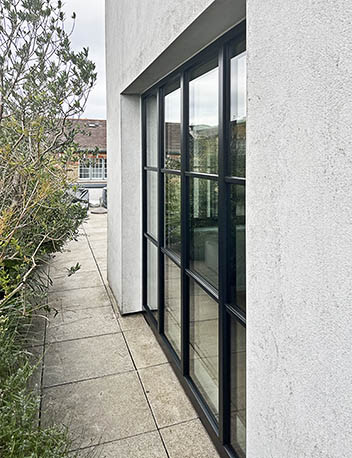
We are proud stockists of the finest timber windows around. These top of the line wooden soundproof windows offer the best reductions in sound pollution available, whilst still providing an exemplary design aesthetic. Manufacturing bespoke window frames, tailored to your property, we install in commercial properties, listed buildings and new builds alike.
PROUDLY SUPPORTING:

Trees for Life is a conservation charity dedicated to rewilding the Scottish Highlands. They currently have 44 tree planting sites and have planted nearly two million trees to date.

10 YEAR INSURANCE BACKED GUARANTEE
All of our products come with up to a 10 Year Insurance Backed Guarantee provided by the Consumer Protection Association. So you can rest assured that your home is in safe hands.

We have been Trading Standards Approved and are proud to be enrolled on the Buy With Confidence Scheme, ensuring customers just like you have their interests protected.

TRUSTMARK REGISTERED FOR QUALITY
Consumers can feel confident using a TrustMark registered business, as the government-endorsed scheme ensures high quality service and a range of consumer protection options.

AWARD-WINNING PRODUCTS & INSTALLATION
Following awards in 2020, and 2021, The Soundproof Windows was announced as the ‘Best Acoustic Window & Door Installation Company – London’ at the SME News Awards 2022.